Ask Mechanics

119 readers
2 users here now

Get advice/help from actual Mechanics. Our focus is automotive, but all mechanical questions are welcome.

founded 2 years ago
MODERATORS
1


Okay, I'll admit, the post title came out a little more on the clickbait side than I would like bu it was either that or a wall of text for a question.

Now, to the issue that brings me here.

I've recently bought a car and had a service/maintenance done on it, just to know what could be hiding in waiting to trouble me.

I usually buy all parts necessary and hand those to the shop and this time was no exception. The novelty was that for the first time ever, the mechanic told me I should be buying a specific brand of engine oil for the car in question.

The car I bought is an Opel Astra, with a GM diesel engine, turbo assisted. The engine takes 10W40 and I usually buy ELF oils for my cars. This mechanic told me ELF is best suited for Renault engines, while Opel (and all german made engines at large) uses Castrol.

On paper, both manufacturers make their engine oils to the same industry specs, so why this splitting of hairs?

2


Yesterday my 2011 Nissan Xterra pro-4x needed a jump start; although I didn't leave a light on or anything pulling power from a 12v outlet. I jumped it. But probably should of let my jump starter charge the battery a bit then disconnecting it instead of hooking it up then starting the car right away (I was tired and acted like i was in a hurry). After driving a for a bit my emergency brake, ABS, VCC, and slip lights turned on while driving at 50-60 MPH. I checked if there were any trouble codes (there were none). Also when i restart the car the lights go away until i go 50-60 MPH. Could I have screwed up the electronics? And why would my car need a jumping if there was nothing draining it? I will upload a photo of my dash with the warning lights when I get the chance.

3


My car's owners manual only lists the 4 pinch welds next to the tires as lift points. No front or back lift points are mentioned.

How can I get the car on 4 jack stands?

If I place my floor jack on the front-left pinch weld to lift the car, there is not enough room for me to place a jack stand at that location anymore. The floor jack gets in the way.

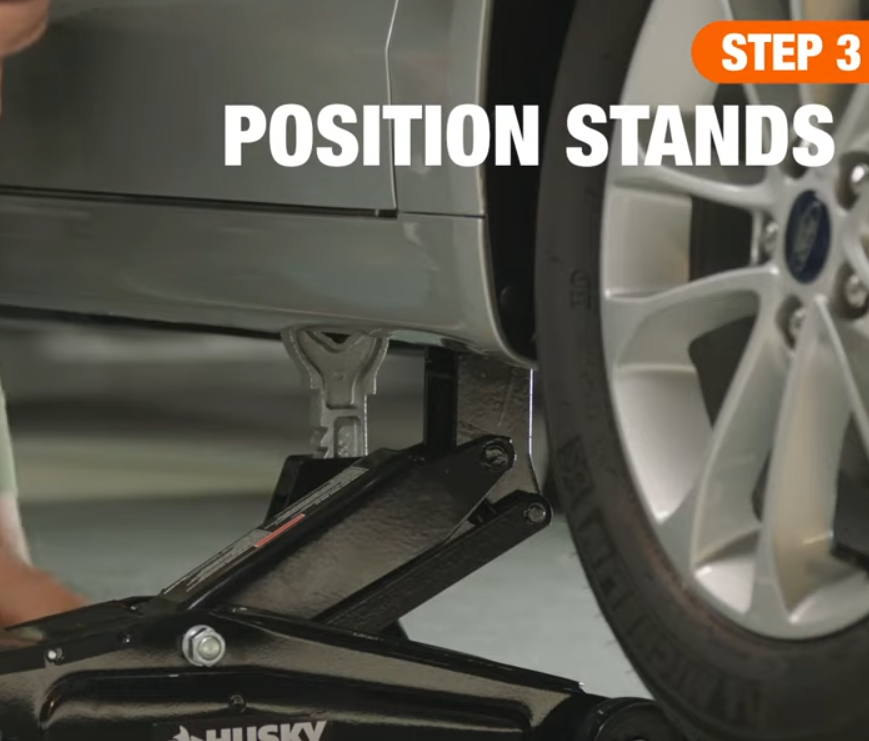
However, I recently found a very interesting video by Home Depot that demonstrates just this.

https://youtu.be/df3nmx_LyGY?t=35

Is this the way everyone has been doing it? My floor jack is pretty wide at the bottom and doesn't allow me to place a jack stand that close to it. Do I just need different equipment?

How wide are those pinch welds?
4
5


Buy a 1972 Volkswagen Bus then upgrade it ! 

  1. V6 Engine: $4,000–$6,000, depending on whether it’s new or used and its performance level.
  2. Automatic Transmission: $2,500–$4,000 for a compatible unit, including modifications and installation.
  3. Racing Parts: $2,000–$5,000 for high-performance suspension, brakes, and axles.
  4. Cooling System Upgrade: $500–$1,000 for a new radiator, cooling fans, and associated components.
  5. Custom Fabrication and Labor: $5,000–$10,000 for custom mounts, wiring, and other modifications.
  6. Miscellaneous: $1,000–$2,000 for additional costs like updated fuel system components and potential regulatory compliance.

Total Estimated Cost: $15,000–$28,000 or more

  1. Dashboard Upgrade:
    • Custom Dash: Replacing or modifying the dashboard to fit modern gauges and controls can be complex. You might need a custom-made dash or an aftermarket replacement that fits your aesthetic and functional requirements.
    • Costs: $500–$2,000, depending on customization, materials, and whether you do it yourself or have it professionally installed. Modern Radio and Infotainment System:
    • Head Unit: Modern head units with features like Bluetooth, GPS, and touchscreens can be installed. You may need a custom dash kit to fit the new radio.
    • Installation: Professional installation ensures proper integration with the vehicle’s electrical system and aesthetics.
    • Costs: $300–$1,500 for a high-end head unit and installation. Gauges and Controls:
    • Digital Gauges: Upgrading to digital gauges or a modern gauge cluster can enhance functionality and appearance. Custom mounts may be required.
    • Costs: $500–$1,500, depending on the type and brand of gauges. Wiring and Integration:
    • Wiring: Modern systems might require new wiring or adapters, especially if integrating with advanced features like climate control.
    • Costs: $200–$800 for wiring and integration, depending on complexity.

Total Estimated Cost: $1,000–$5,800 or more

  1. AWD Conversion Kit: There are few aftermarket conversion kits available for classic VW buses, and they often require significant modification.
    • Costs: $5,000–$10,000 for the kit and related parts. Custom Fabrication: Modifying the chassis, drivetrain, and possibly the suspension to accommodate AWD requires custom work.
    • Costs: $5,000–$10,000 for custom fabrication and installation. Additional Components: This includes front differentials, driveshafts, and possibly upgraded axles.
    • Costs: $2,000–$5,000 depending on components and integration. Labor: Professional installation and tuning to ensure the system functions properly.
    • Costs: $3,000–$6,000 for labor.

Total Estimated Cost: $15,000–$31,000 or more

6
7


Hey so I was hoping to possibly get some upgrades for my car in the future but I don't really know where to start.

I was wondering if I could get a V6 or some real fast engine to fit. Then I'd get the Straight Piped to Silent Mod for the exhaust. I didn't know if there was anything else I needed to add to make everything flow perfectly or that would drastically improve my speed and control.

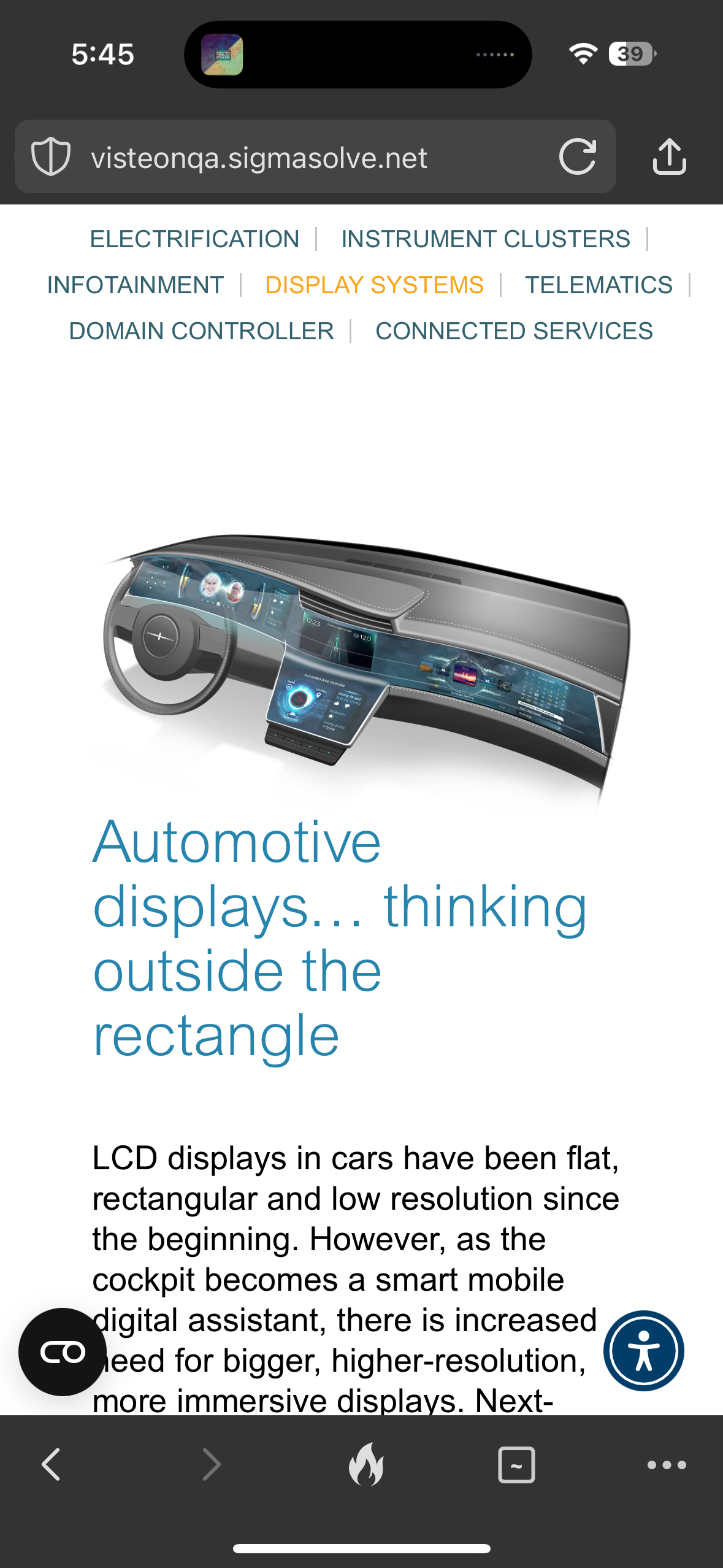
I could also upgrade the whole interior to have very fancy digital gauges. Maybe something like this photo. While if by then we have an AI system that could act as a censor for the environment around me. Like if I'm changing lanes it'll let me know if I'm good or whatever. It will also let me know if there are police nearby and how close they are getting so I can slow down if I need to. While I have very good racing tires and idk if they make them spike proof?

Any suggestions would be amazing just looking to make my car absolutely perfect. Otherwise I'm looking to maybe buy a late 1900s MGB or something that's a sports car.
8
 
 
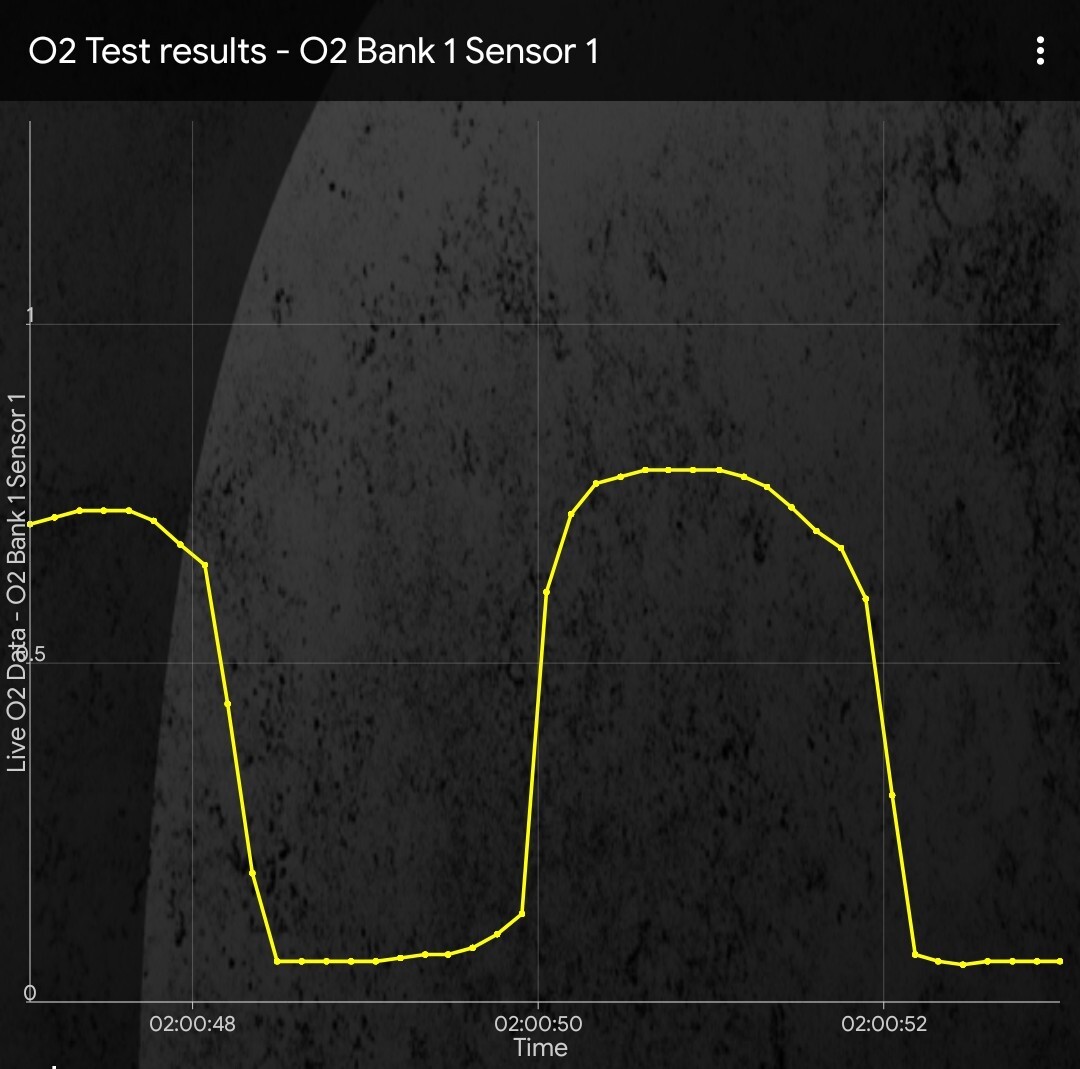
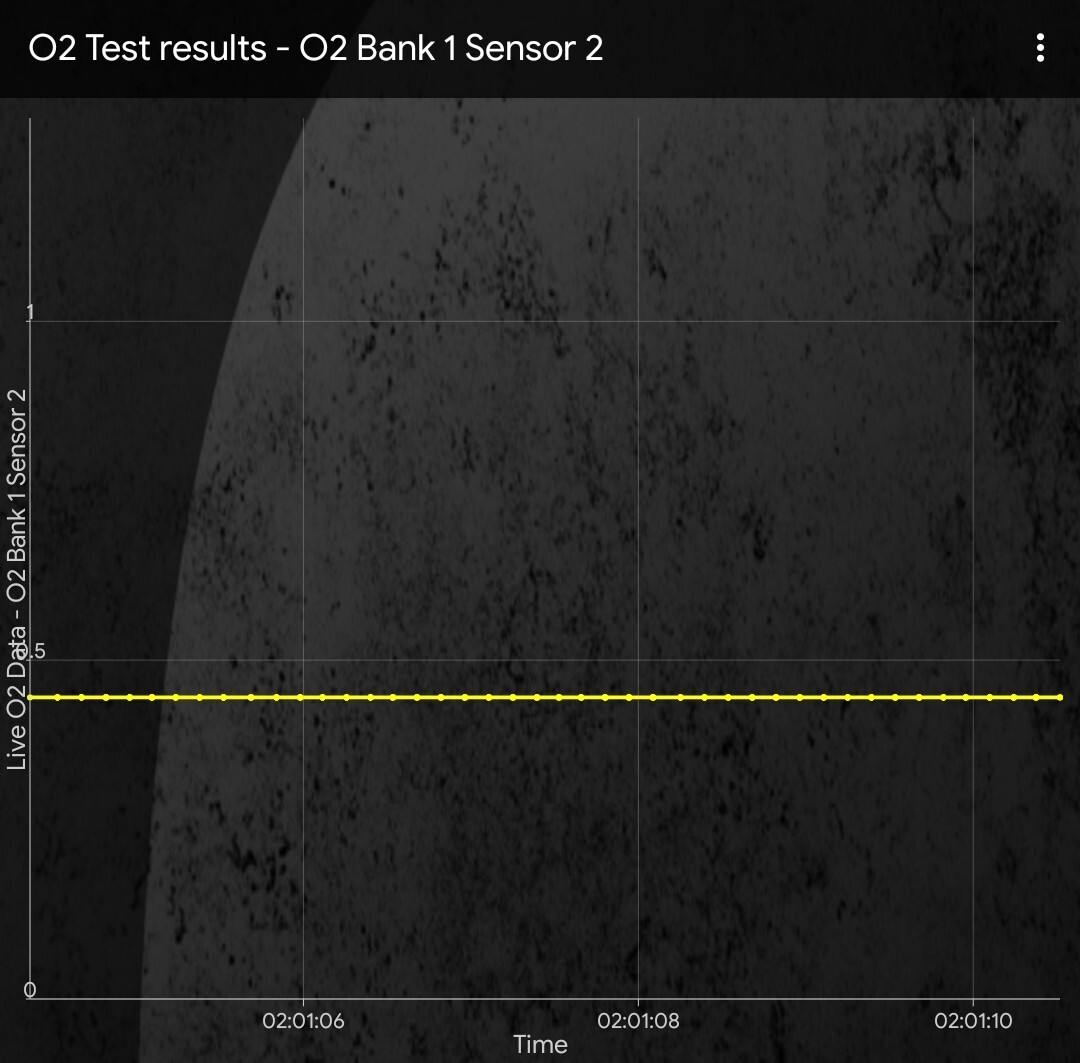
Sensor 1 Sensor 2
Oscillates between 0.1 V and 0.75 V Stays at 0.45 V

1.1L I4 petrol engine
Measurements taken about six minutes after starting

There was a fault code for sensor 2 that I cleared about 3 000 km ago, but it hasn't come back since. There was never a CEL