HistoryPhotos

1752 readers
1 users here now

HistoryPhotos is for photographs (or, if it can be found, film) of the past, recent or distant! Give us a little snapshot of history!

Rules

  1. Be respectful and inclusive.
  2. No harassment, hate speech, or trolling.
  3. Foster a continuous learning environment.
  4. No genocide or atrocity denialism.
  5. Photos MUST be at LEAST 10 years old, and ideally over 20. We appreciate that we are living through events which will become history, but this is ultimately not a comm for news or current affairs, but events which have occurred some time in the past.

Related Communities:

founded 1 year ago
MODERATORS
1


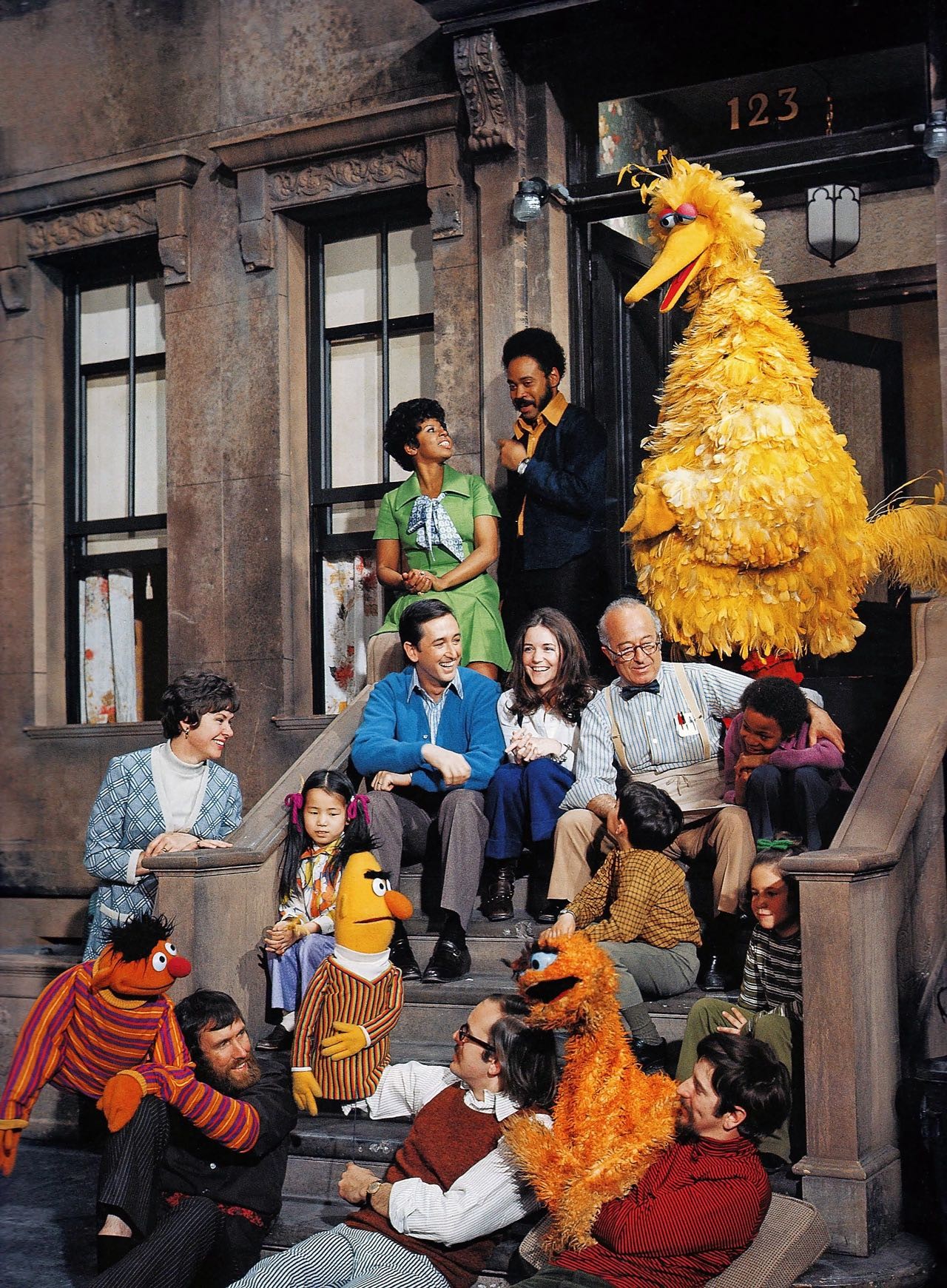
For anyone unaware, this is a PBS ("Public Broadcasting Service") show which originated in the States, then spread around the world via various permutations. In other words, it was a wildfire hit that kids and educators everywhere absolutely fell in love with, fast. The goal as I understand it was to help modern kids understand and cope with the world around them, sort of an update from previous shows like Howdy Doody, Andy Devine, and whatever else I'm forgetting. I've talked before about how much I venerate Jim Henson.

Known human cast: Bob McGrath (Bob), Matt Robinson (Gordon), Loretta Long (Susan), and Will Lee (Mr. Hooper).

Muppets: Big Bird, Bert, Ernie, and an early orange version of Oscar the Grouch (who turned green in the second season).

Performers at bottom: Jim Henson, Frank Oz, and Caroll Spinney, which begs the question-- who the heck's performing as Big Bird??


@taiyang@lemmy.world adds on:

"Almost there on description but I want to add it also was aimed and oriented towards lower income families in particular, a big reason it takes place in the kind of urban environment you’d grow up in if you were a poor (usually ethnic minority) kid.

"Lots of segments also highlighted things like community resources, like libraries, as well as all sorts of stuff rich people want to defund. But PBS has always been like that, hence why they illegal defunded it last year.

"Quick edit: oh I know a bit about this because of my PhD in education. They did studies on its impact because it was to elevate education outcomes. Iirc, it wasn’t all that effective but that’s mostly because poverty is really, really bad for educational outcomes."
2


Source

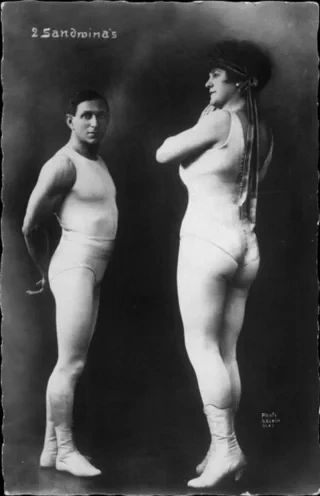
Published by LP, not numbered, circa 1905-10, according to this listing

This is from a CPA (cartes postales anciennes, old post cards), which was printed using the phototype process, aka collotype, right up until the 1940s

Collotype is a gelatin-based photographic printing process invented by Alphonse Poitevin in 1855 to print images in a wide variety of tones without the need for halftone screens

3


He founded AS&P (Albert Speer & Partner) in Frankfurt in 1964, and the firm went on to work on projects across the world, including Expo 2000 in Hanover, a c...

4


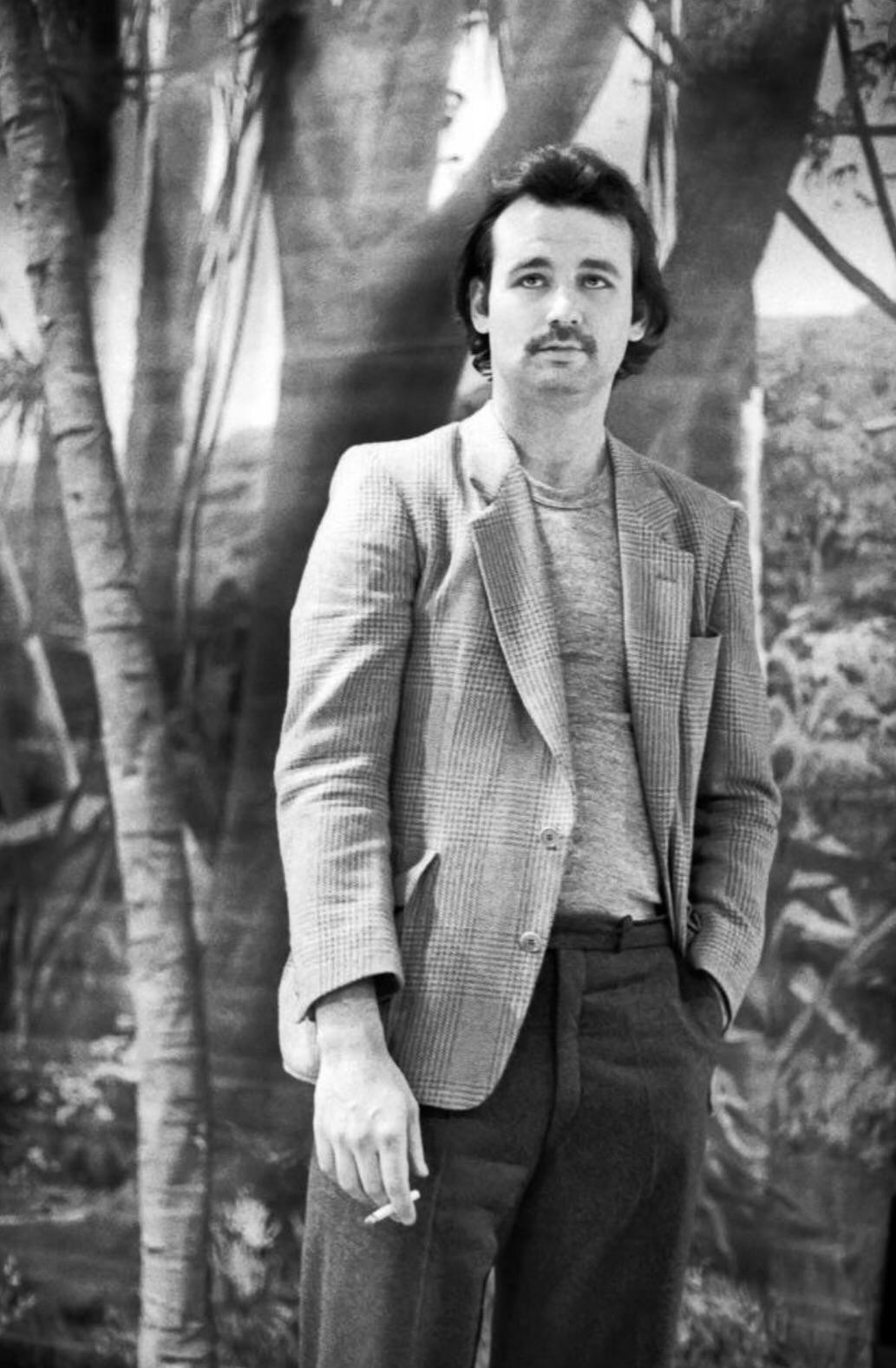
In 1975, the Off-Broadway The National Lampoon Show led to Bill's first television role as a cast member of the ABC variety show Saturday Night Live with Howard Cosell. That same season, another variety show, NBC's Saturday Night, premiered. Cosell's show lasted just one season, canceled in early 1976.

After working in Los Angeles with the "guerrilla video" commune TVTV on several projects, Murray rose to prominence in 1976. He officially joined the cast of NBC's Saturday Night Live for the show's second season, following the departure of Chevy Chase. --WP

I was just a child for Bill's SNL days, but he and John Belushi left a mark on me, I'll concede.

Years later, Murray very modestly attended the David Letterman: Mark Twain Prize ceremony at the Kennedy Center, ~2018. You can see how it went down here:

https://www.youtube.com/watch?v=-J3zQQ4scYU

5
 
 
6


7


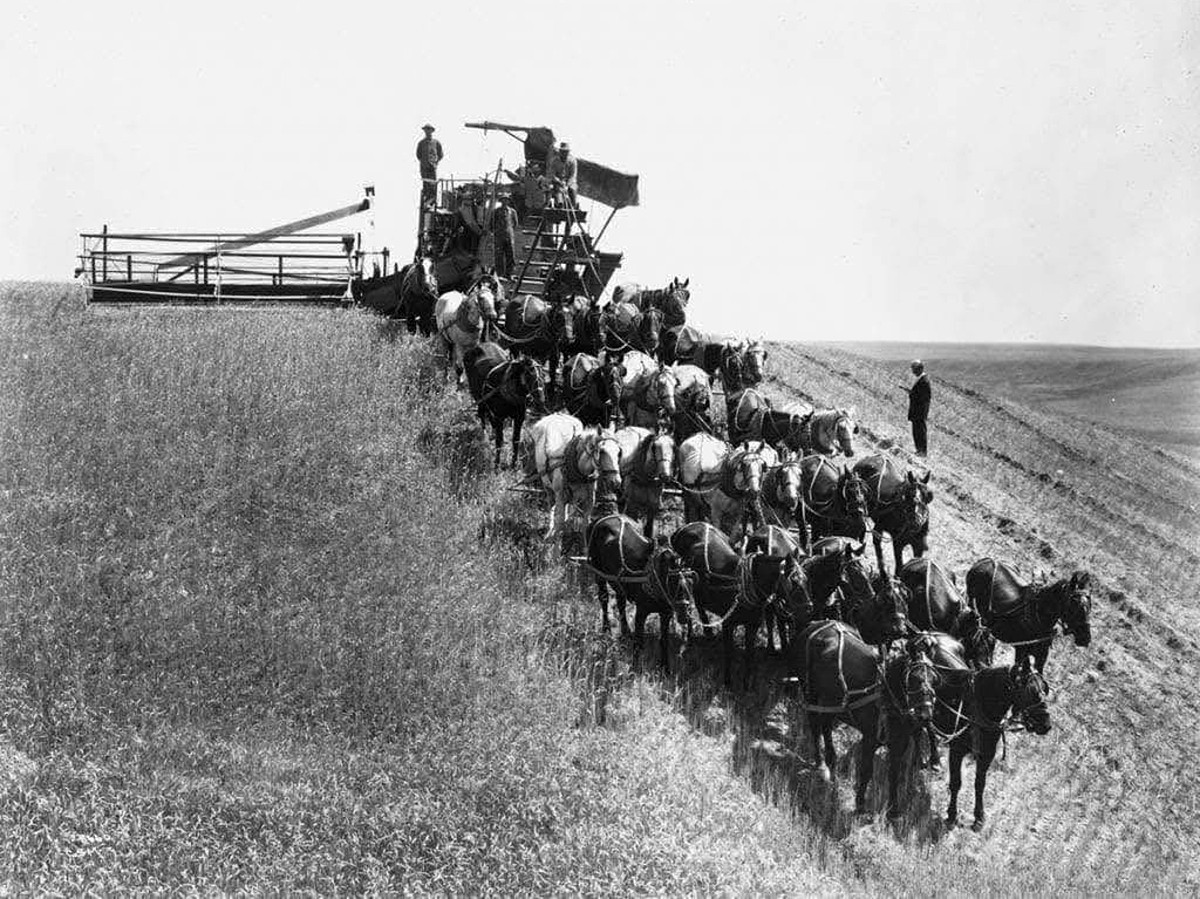
During the late 19th and early 20th centuries, horse-drawn combine harvesters reached their absolute peak of scale and complexity, transforming vast agricultural landscapes like the American West and Pacific Northwest. Facing a major rural labor shortage after the California Gold Rush, manufacturers pushed mechanical boundaries to engineer giant, wooden “pull-type” behemoths that relied entirely on massive teams of animals for power.

During this period, the size of combine harvesters grew rapidly to maximize efficiency in the vast wheat fields of California, Oregon, and Washington State. To move these multi-ton wooden machines, farmers used immense teams typically ranging from 20 to 40 horses or mules. A legendary and frequently photographed standard was the 33-horse hitch, often configured in lines of up to 12 animals abreast...

Full article here, with 25 photos:
https://www.vintag.es/2026/09/horse-drawn-combine-harvesters.html

Vintage Everyday
Bring back some good or bad memories
https://www.vintag.es/

Great serious and pop history site. Highly recommended browsing, along with Shorpys.

8
9
 
 
10
 
 
11
 
 
12


Note: shamelessly copied from the evil empire. I have no specific info about this one.

13


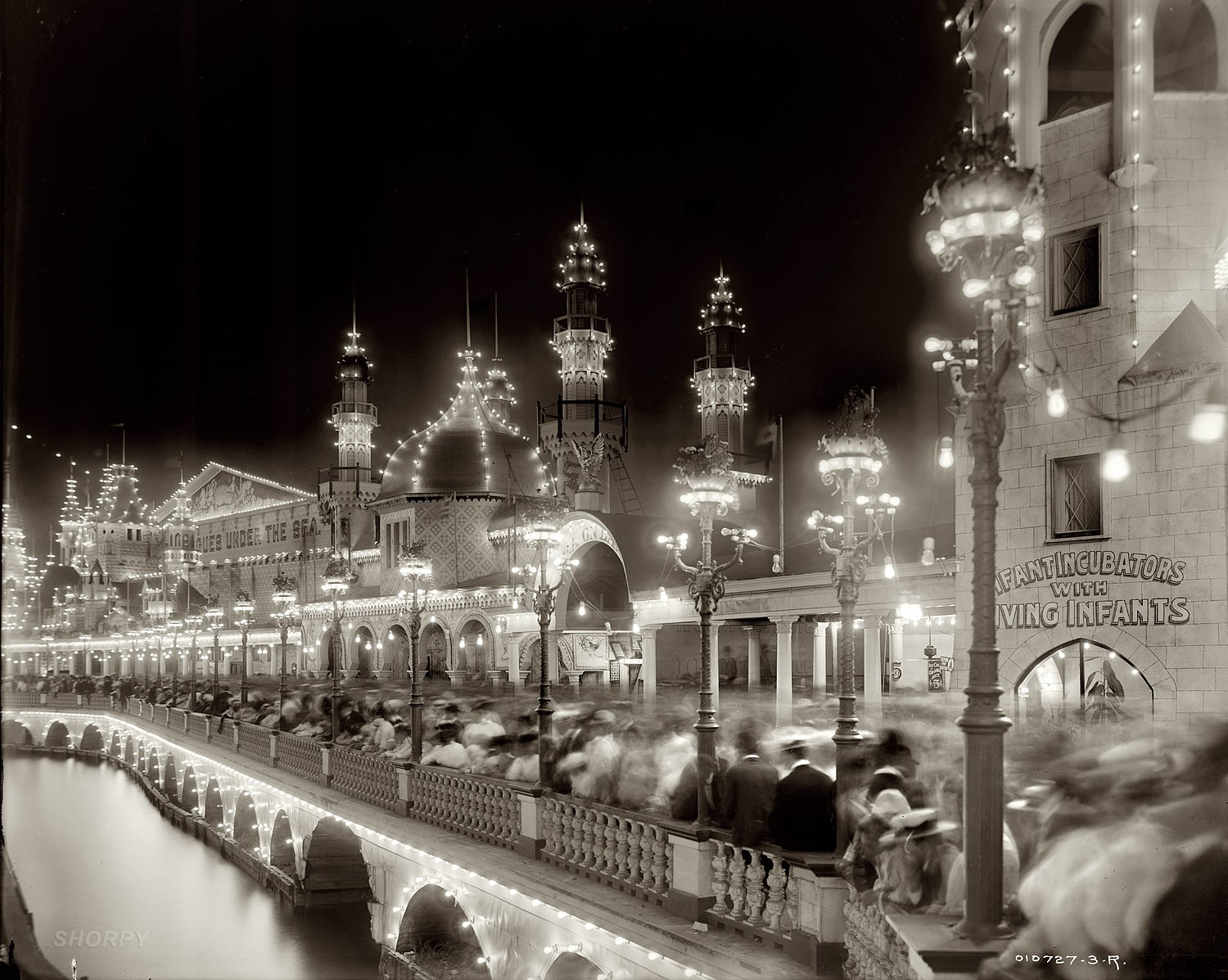
Luna Park at Coney Island circa 1905. Tonight only: "Infant incubators with living infants." 8x10 inch glass negative, Detroit Photographic Company.

More info, comments, and a hi-res shot:
https://www.shorpy.com/Coney-Island-Luna-Park

PERSONAL NOTE: I had no idea large public establishments like this were lit up like electrified yule trees in the early 1900's. At least, I think that's what's going on here..?

14


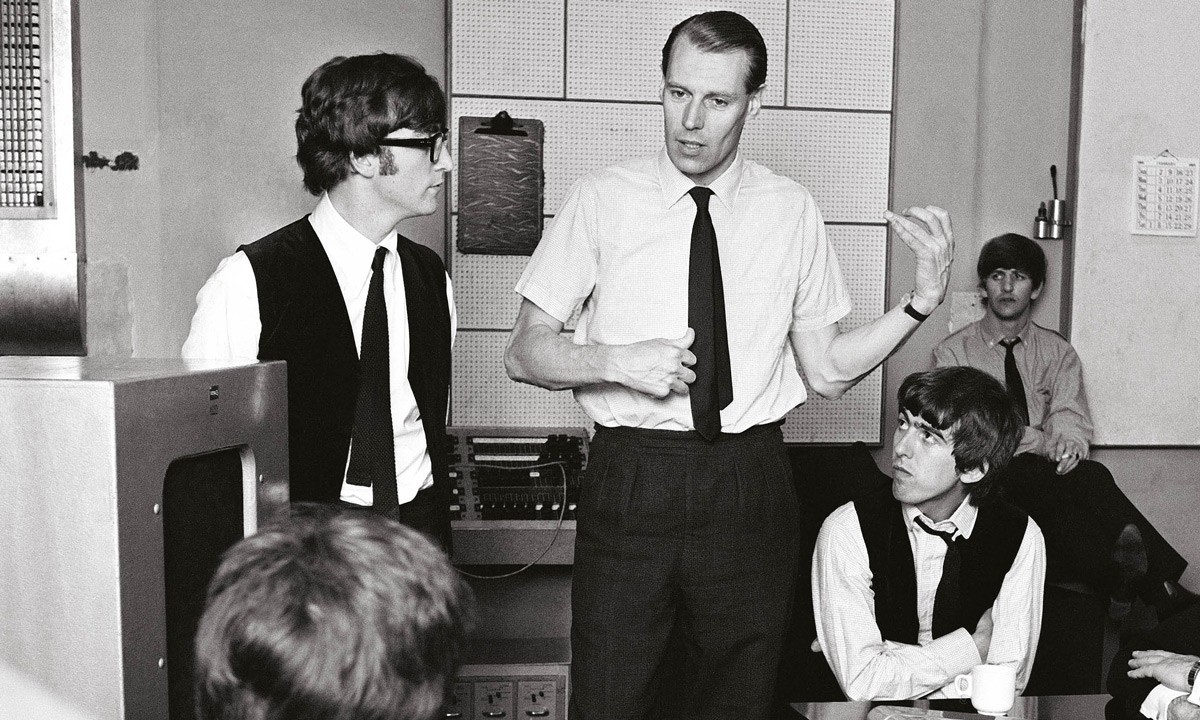
Some biographers have actually argued that George Martin was properly the third Beatle, based on his critical song contributions.

And... you know what? That's actually quite a strong argument as I personally see it. I mean, Sir George wasn't just the one who discovered them in the studio sense, but he really did help morph their music over the years, as well as contribute an utter, direct landslide of musical creativity to their songs, things which are well and highly-documented across a load of sources & histories.

That said, for my part, Brian Epstein was an absolute boss. I don't see how he's outside the core.

15


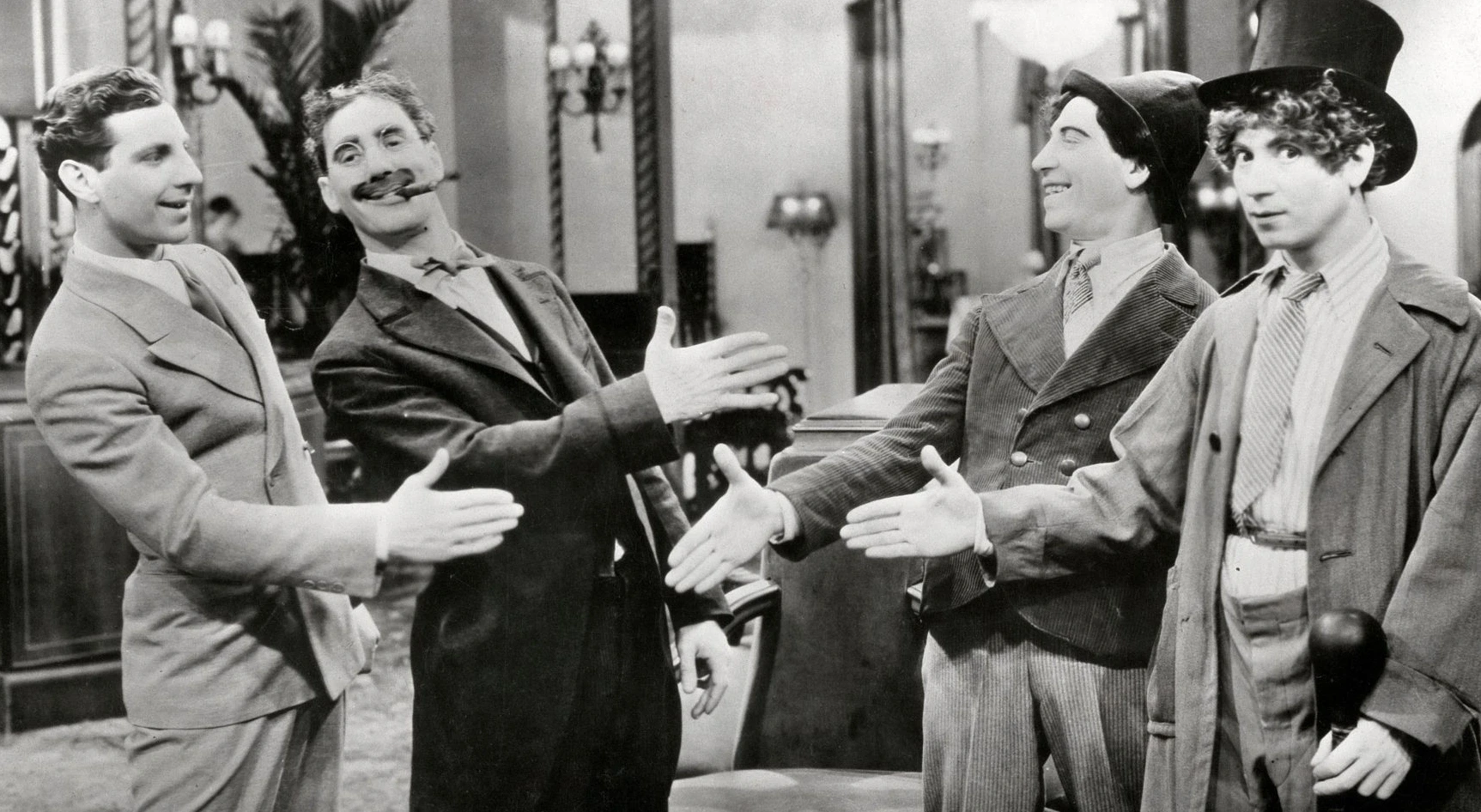
I believe this publicity still was from ~1930, shot during the filming of either Cocoanuts or Monkey Business. The four brothers pictured (L-R) are: Zeppo, Groucho, Chico and Harpo Marx. Also, the towering houseplant in back is named "Margaret Dumont," after one of their beloved movie foils!

To say a single word about the Marx Bros is to risk spending a few weeks fruitlessly trying to sum up their careers in as few essays as possible, but everyone knows how to use WP, and I'll also give you a little gag sequence that went on between Groucho and Chico--

The Sanity Clause: (4min)
https://www.youtube.com/watch?v=dbUDSxJFsDA

And now for something a little bit different! It's Mark Evanier's legendary blog, in which he tells many, many stories from the POV of a longtime writer for TV, comics, and a few other ventures. Most of those insider stories are based on his Hollywood and major USA comics work, plus some of his loves, like Broadway & theatre. His is one of the most 'high-signal / low-noise' blogs you'll every read about anything, so let's see what he had to say about Los Bros ~~Hernandez~~ Marx!

https://www.google.com/search?q=site%3Anewsfromme.com+Marx+Brothers

NOTE: some of the sadder entries are about his interviews and time spent with a fading Groucho (much, much later than in this shot)... which were not necessarily so pretty. :S

16


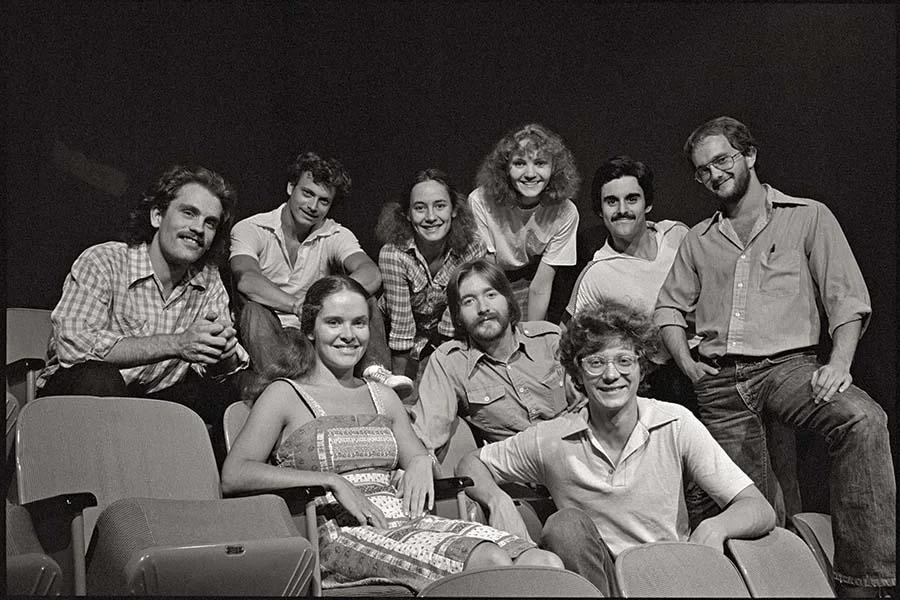
Steppenwolf Theatre Company is a Chicago theater company founded in 1974 by Terry Kinney, Jeff Perry, and Gary Sinise in the Immaculate Conception grade school in Highland Park, Illinois[1] and is now located in Chicago's Lincoln Park neighborhood on Halsted Street. After occupying several theatres in Chicago, in 1991, it moved into its own purpose-built complex with three performing spaces, the largest seating 550.[2][3]

The theatre's name comes from Hermann Hesse's novel Steppenwolf, which original member Rick Argosh was reading during the company's inaugural production of Paul Zindel's play, And Miss Reardon Drinks a Little, in 1974.[4] A recipient of the Regional Tony Award,[5] it has produced several shows that have transferred to Broadway.

https://en.wikipedia.org/wiki/Steppenwolf_Theatre_Company

Four of the most famous actors appear in the back, consecutively, from L-R. See how many you can get in total, then check the comment below.

(the photo was posted just yesterday from Gary Sinese's media feed)

17


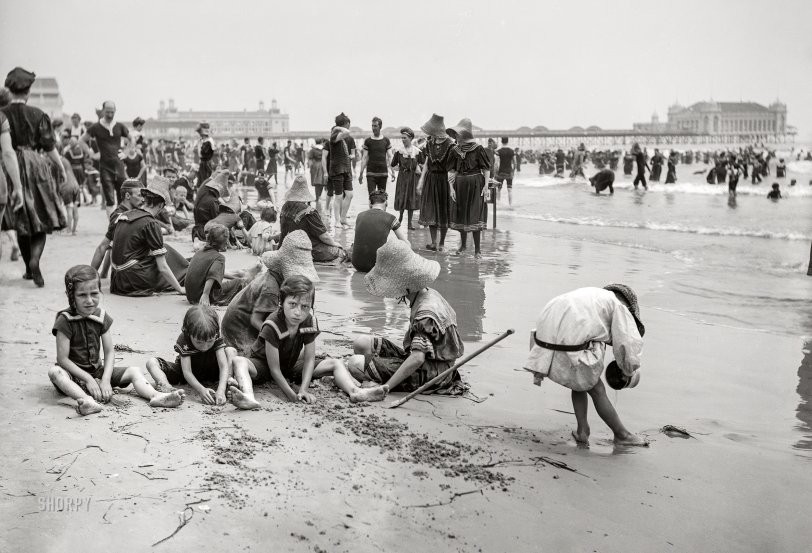
Atlantic City, New Jersey, circa 1905. "Children's Delight (Young's Pier in background)." 5x7 inch dry plate glass negative, Detroit Photographic Company.

Post with comments and full-size photo at the brilliant Shorpy.com site. A colorized photo is also there.

ITCHY & SCRATCHY:
To those saying the kids look miserable: how would you feel wearing dark, waterlogged, 100% wool suits in the simmering heat of a New Jersey summer? --"hillie_bolliday"

121yrs later, I... did not know their suits were made out of wool! 😯

18


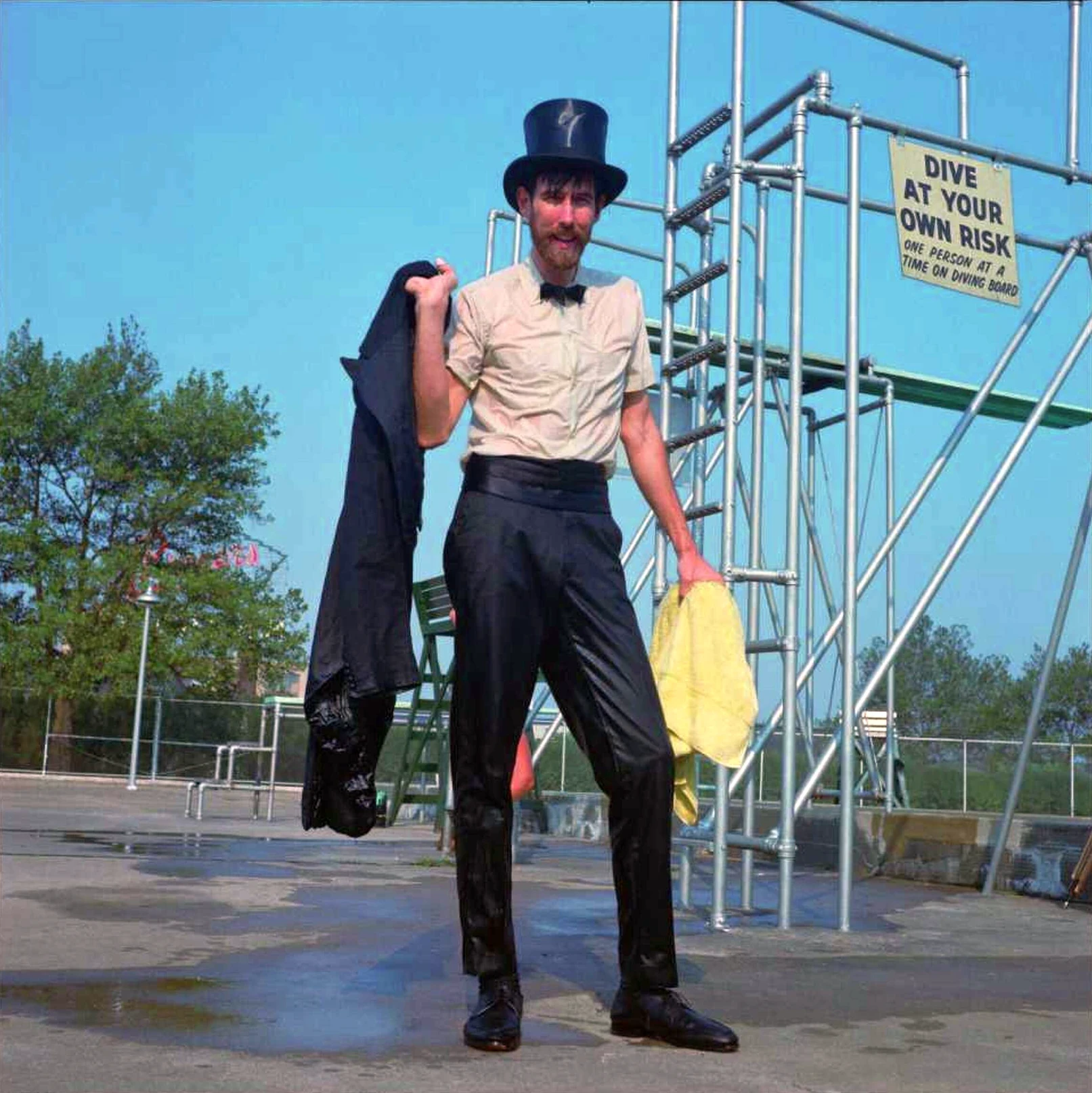
Henson of course was the creator of Sesame Street, The Muppets, Dark Crystal, Labyrinth, and a load of other well-known works, before his unfortunate, early passing. The older I get, however, the more I realise what a wunderkind, famed creator he was *well* before Sesame Street.

Time Piece was nominated for an Academy Award for Best Live Action Short Film in 1966, so it certainly got some eyes on it at the time, even if it isn't very well-remembered by posterity. If pressed, I'd say it's a surreal, refreshing exploration of how a curious, creative person experiences time, and vice-versa. Or something like that.

It's only 9min if you feel like giving it a look:
https://www.youtube.com/watch?v=WJhcDhHAH1k

Just in general, I'm relentlessly amazed by how vastly more creative Henson was than I even imagined as a kid, and that was already after falling in love with all his iconic stuff.

(this post dedicated to my man @PugJesus@piefed.social)

19
 
 
20


A double-exposed photograph showing Tesla in his Colorado Springs laboratory, ca. 1899. Tesla forced his “magnifying transmitter” to produce inefficient arcs by turning the machine rapidly on and off during the photoshoot for The Century Magazine

Source

21


Source.

Private Joseph De Freitos of Yonkers (New York) of the 41st Armored Infantry Regiment, 2nd US Armored Division, heats his rations on a stove. Interestingly he is wearing a two piece herringbone twill (HBT) camouflage which was used by marines in the pacific, but was quickly abandoned in the European theater because of the similarity to the uniform of the SS.

22
 
 
23
 
 
24
 
 
25
 
 
view more: next ›